Eventer.NET · Medical congresses and events · 2026
Speaker logistics, out of the spreadsheets.
Eventer.NET organizes medical congresses and scientific events. Collecting each speaker's travel, accommodation and documents ran on email and spreadsheets, and every personal agenda was built by hand. We redesigned that process around a platform we built: speakers complete their own details in a self-service portal, the organizing team reviews what comes in from one back-office, and each agenda follows the program as it changes.

By Mircea Muraru · · Updated
Context
A congress runs on its speakers.
Every edition of a congress brings in speakers, many of them from abroad. Each one comes with travel, accommodation, documents and presentations that the organizing team has to collect, check and turn into a clear plan for that person.
At Eventer.NET this lived in email threads and spreadsheets, and every speaker's agenda was assembled by hand.
Challenge
Many moving parts. One correct agenda.
When a flight moves or the program shifts, the change has to reach the right speakers, and a hand-built agenda is easy to get wrong. The work also has two very different audiences: an organizing team that needs a clear overview, and busy speakers who should be able to finish their part in a few minutes.
Speakers share personal documents, so privacy and access control had to be part of the design from the start, not added later.
What we did
Prototype first. Then the real product.
We started by mapping how the team actually works. Then we built a clickable prototype on demo data and walked the team through it, so the concept and the flows were confirmed before any backend code was written.
Once the client signed off, we built the platform: UX and UI design, the web frontend, the backend and API, deployment and QA. Since then we have shipped improvements in short rounds, based on the team's feedback.
Outcome
One place for every speaker.
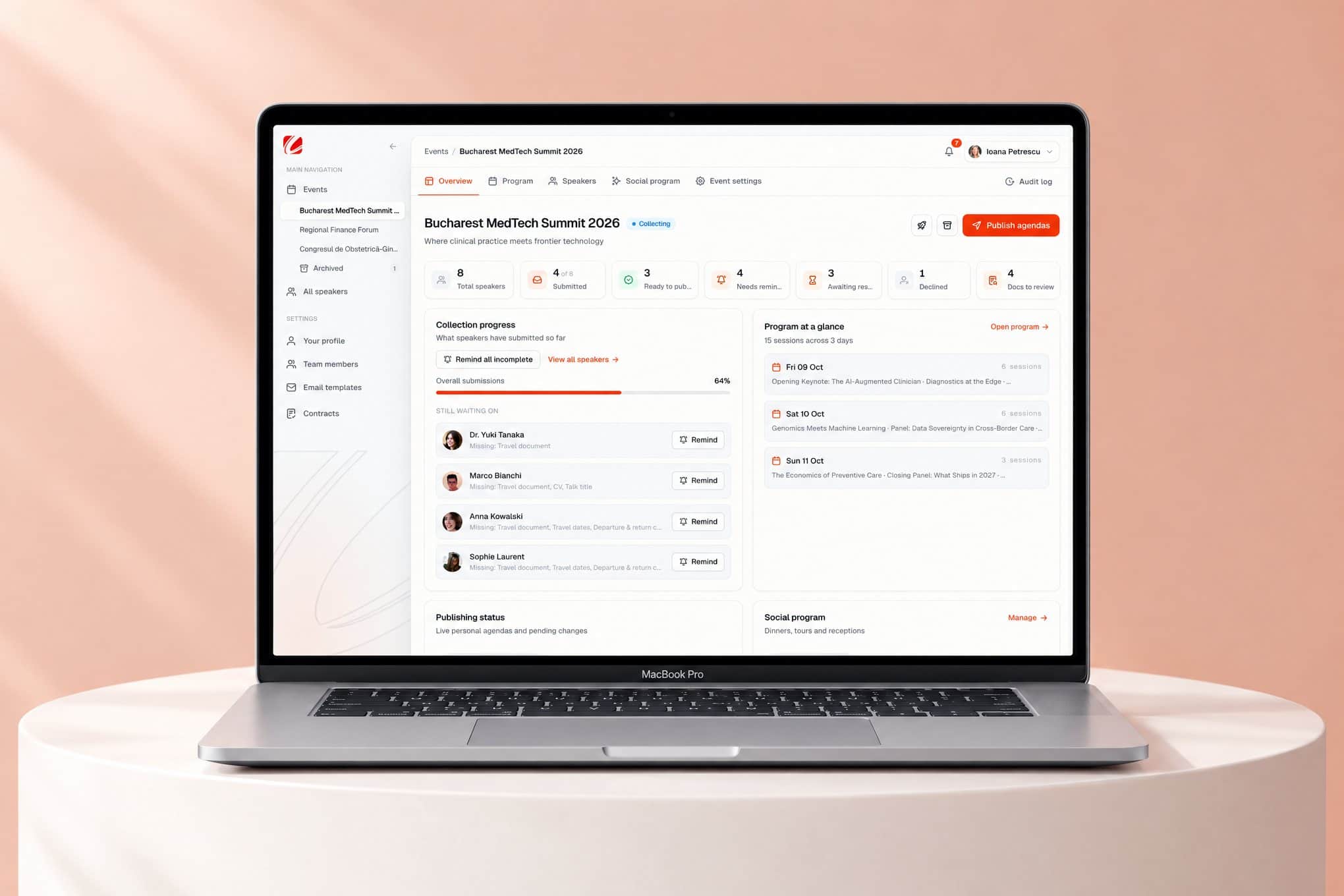
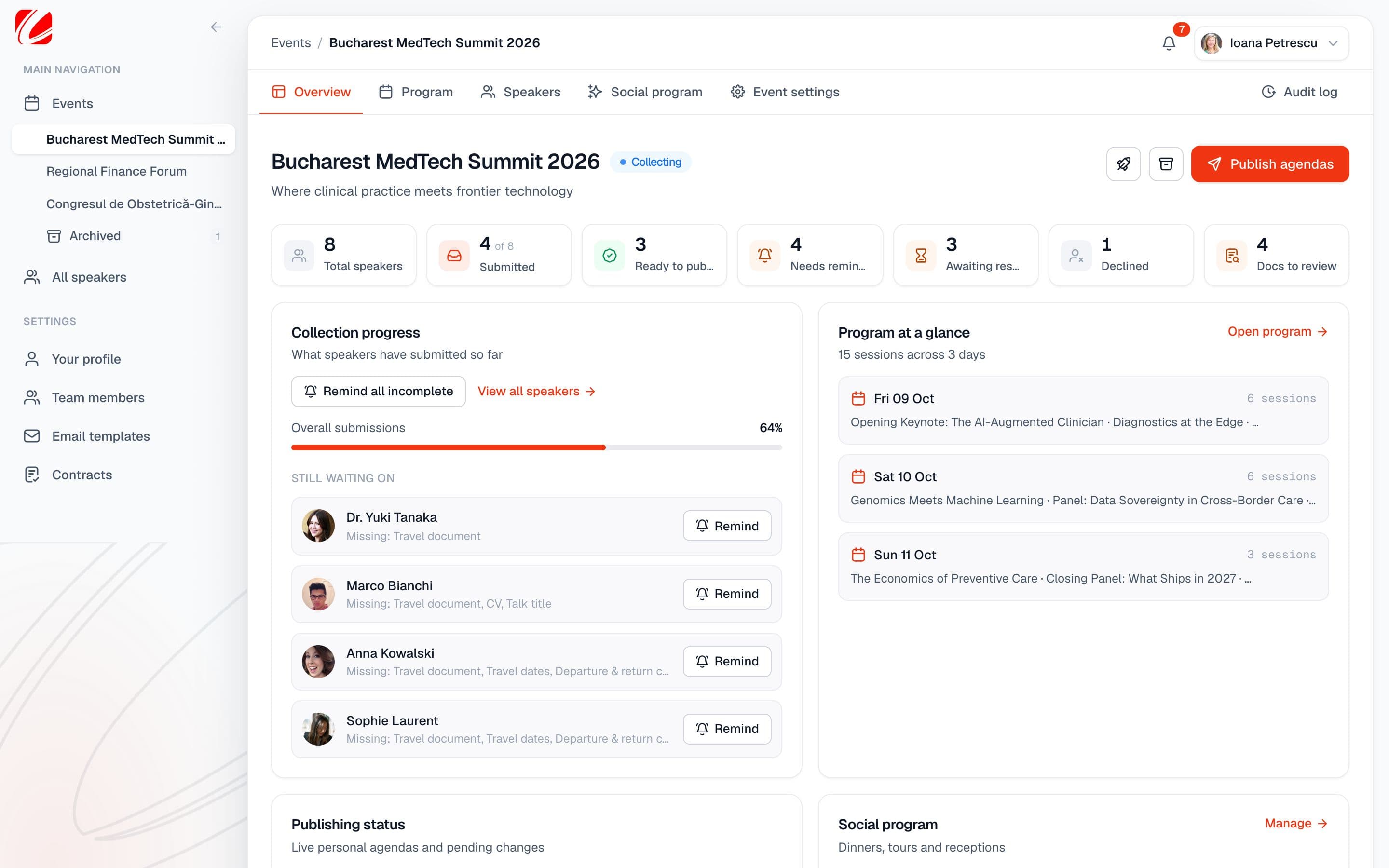
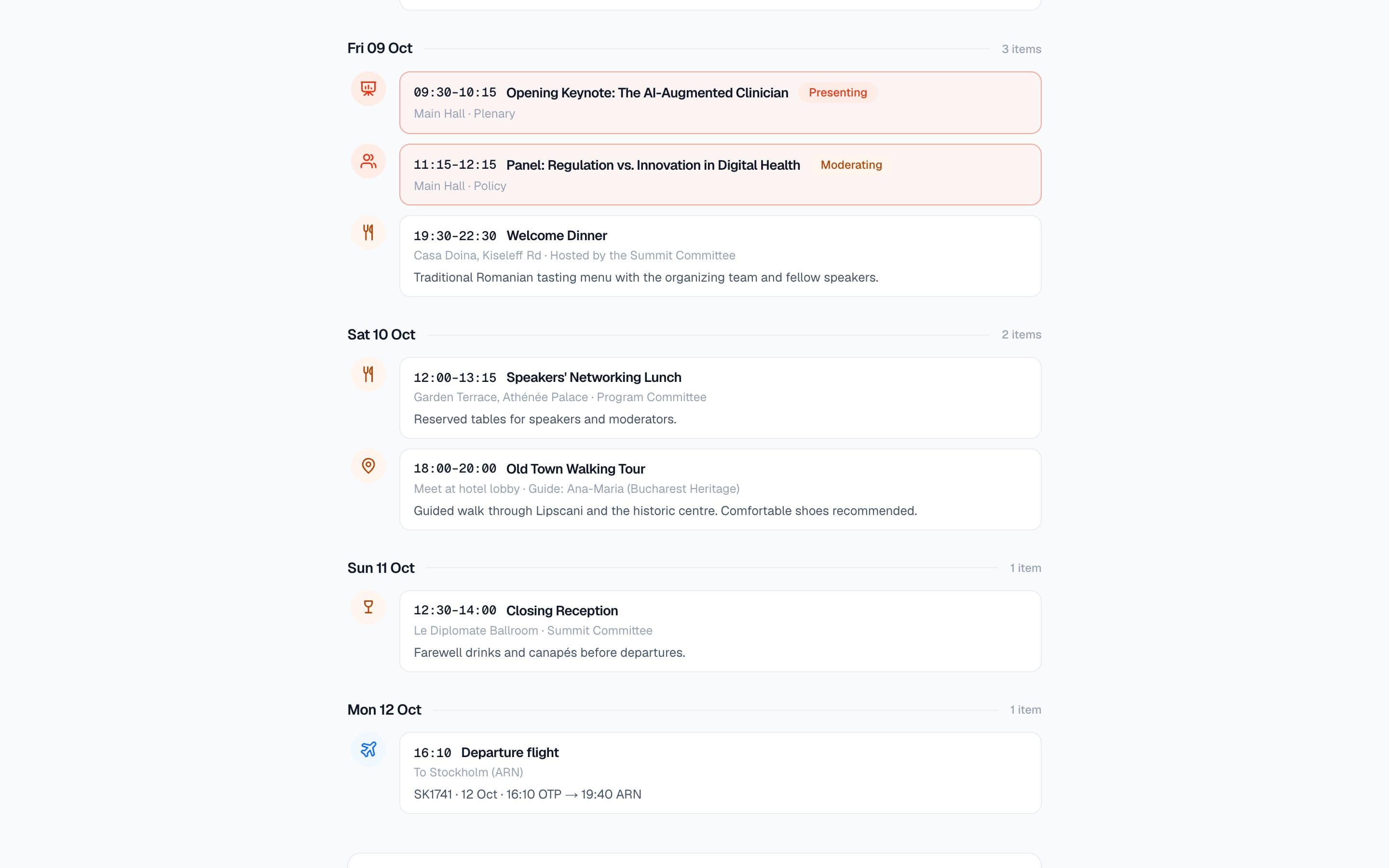
The platform runs in production for Eventer.NET's team. Speakers complete their own details in Romanian or English and receive a personal agenda that updates when plans change. Organizers see at a glance who still has something to send.
The bigger change is in the work itself. The team no longer collects, copies and re-sends: it reviews what speakers send and decides on the exceptions.
Usage figures belong to Eventer.NET. We do not quote numbers we have not been cleared to share; the hours in the example below are illustrative.
The process
One speaker's logistics, before and after.
How the work around a single speaker changes, written as a typical flow for this page. It describes the process, not Eventer.NET's own data.
Illustrative example
Before
Requests go out by email By hand
Flights, accommodation, documents and the presentation, asked for in one thread per speaker.
Replies are copied into a spreadsheet By hand
They arrive in different formats and someone types them in, row by row.
The personal agenda is put together by hand By hand
Talks, social program and travel, assembled into a document for each speaker.
Every change is re-sent one by one By hand
When a session or a flight moves, the team works out who is affected and writes to each of them again.
Who still owes what is checked from the spreadsheet By hand
Before every deadline, line by line.
Five manual steps per speaker, repeated at every change. A correct agenda depends on one careful person.
After
Speakers complete their own details Platform
In Romanian or English, in the self-service portal, with their documents in the same place.
The team reviews what came in Team reviews
From one back-office, instead of collecting and copying it.
The personal agenda is built from the program Platform
Talks, social program and travel, for each speaker.
Changes reach every agenda they touch Platform
The program changes once and the affected agendas follow.
The overview shows who still has something to send Platform
At a glance, without opening a spreadsheet.
One human step: reviewing. The agendas follow the program.
What that means for one edition, in working time.
A made-up congress with 60 speakers and three program changes that each touch 20 of them. The times per task are our assumptions.
| Task, per edition | Before | After |
|---|---|---|
| Collecting travel, accommodation and documents: 6 emails × 5 min per speaker; after: a 5 min review | 30 h | 5 h |
| Building personal agendas: 15 min per speaker; after: spot checks | 15 h | 1 h |
| Sending program changes: 3 changes × 20 speakers × 5 min; after: 10 min to check each change | 5 h | 0.5 h |
| Chasing what is still missing: before each deadline | 4 h | 1 h |
| Total, one edition: in 8-hour working days: ≈ 54 h vs ≈ 7.5 h | ≈ 7 days | ≈ 1 day |
Illustrative calculation, not Eventer.NET's figures. The real numbers depend on the event, the number of speakers and how often the program moves. We measure them in the diagnosis, before we build anything.
The shipped product
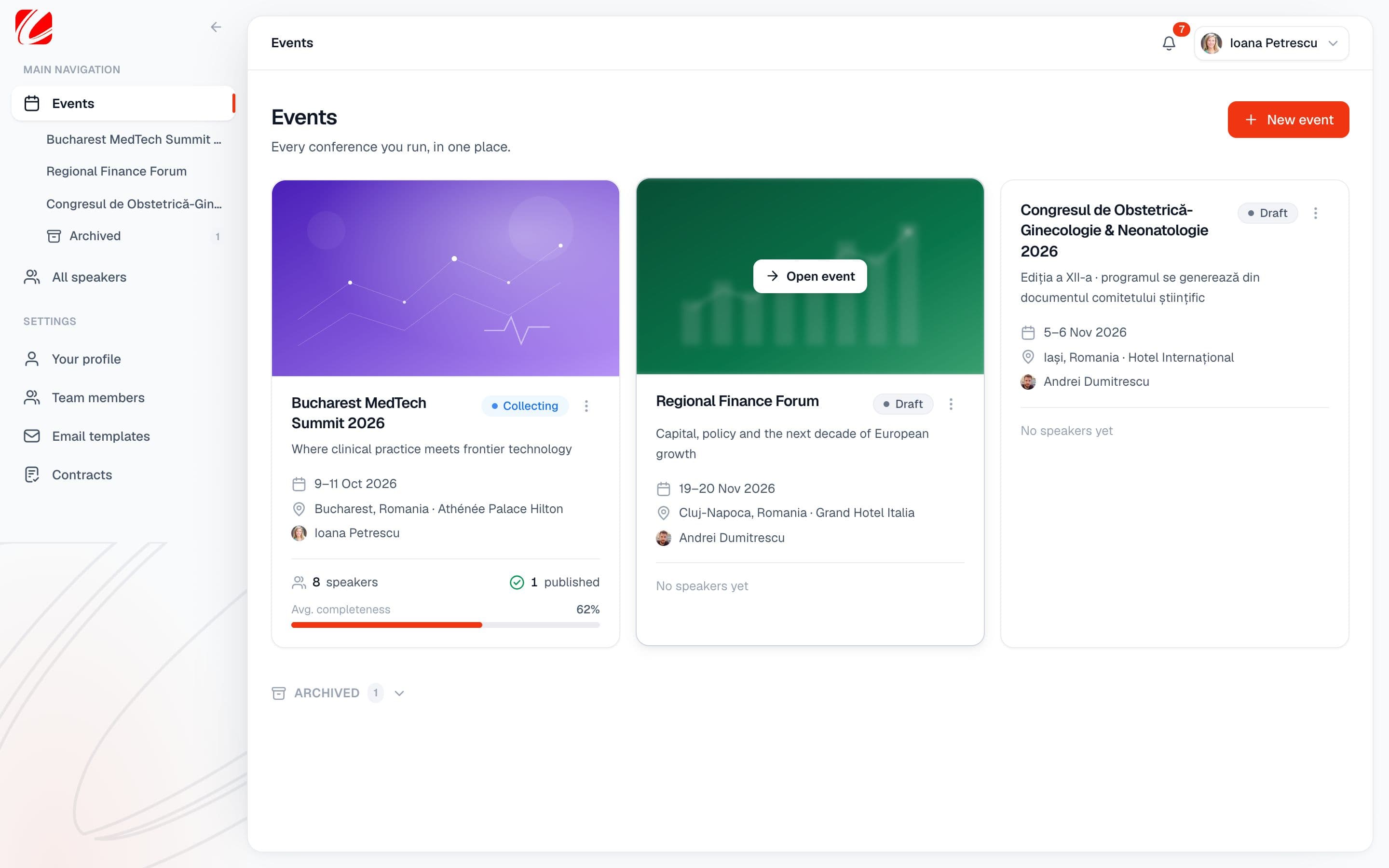
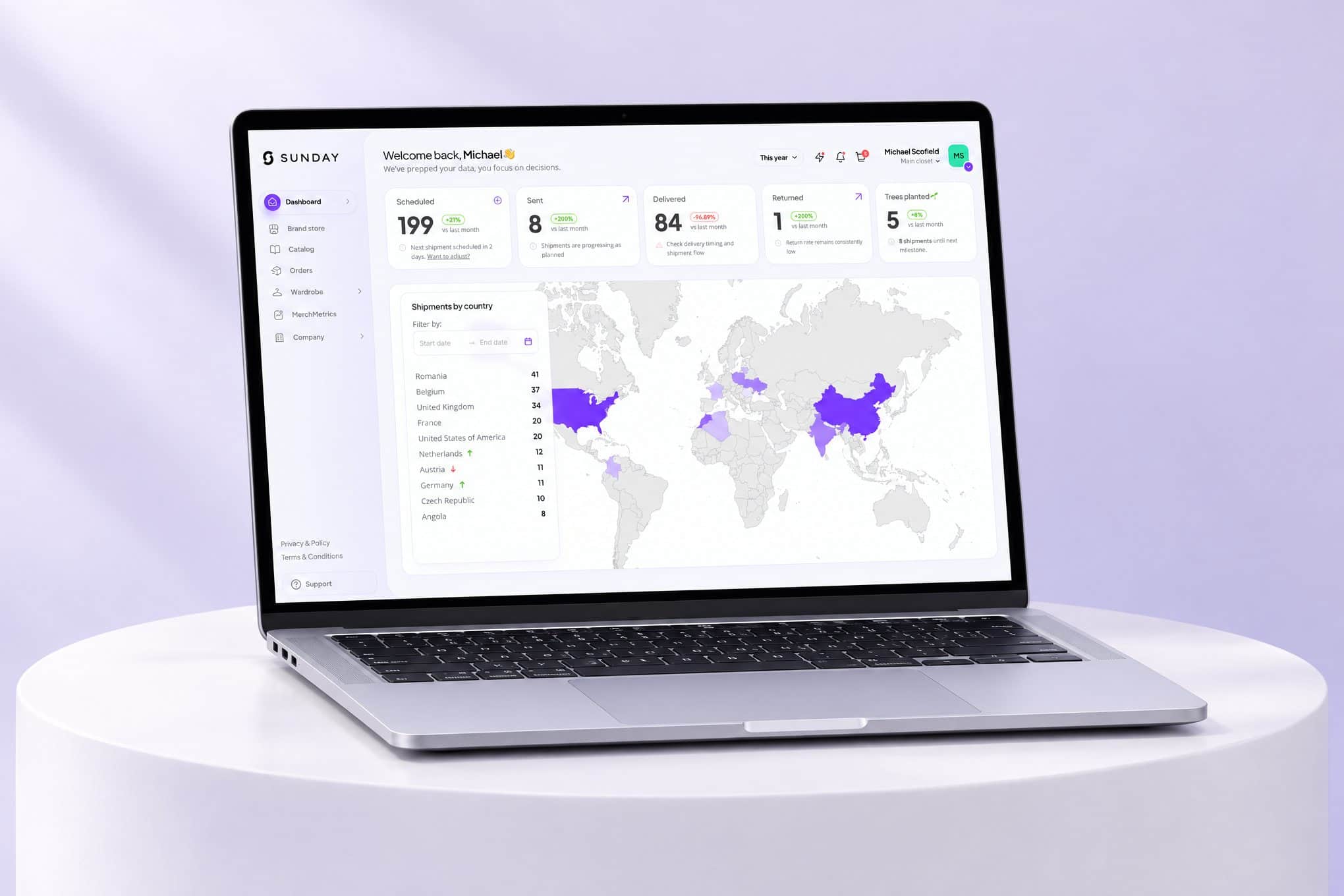
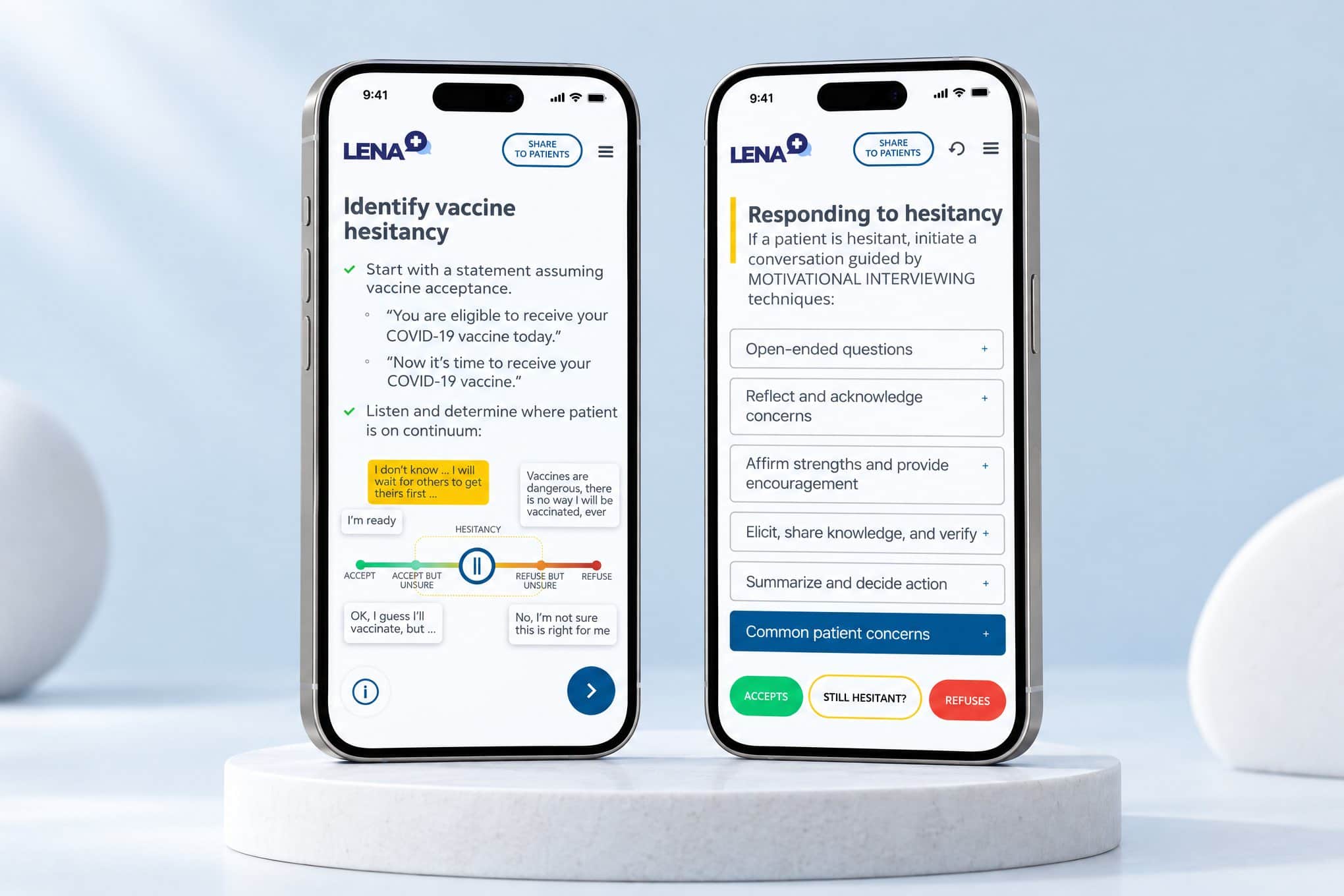
The product, up close.
Questions about this project
What did we build for Eventer.NET?
A speaker management platform with two sides: a back-office where the organizing team runs events and speakers, and a self-service portal where each speaker completes their details and receives a personal agenda. We handled the analysis, prototype, UX and UI design, frontend, backend, deployment and QA.
Why start with a prototype?
Because it is the cheapest way to find out whether the flows are right. The team clicked through a working prototype on demo data and confirmed the concept before we built the backend, so the real product was built on decisions already tested with its users.
Are there usage figures?
Not from Eventer.NET. The data belongs to the client, and we publish only figures a client has cleared. The hours on this page are an illustrative calculation for a made-up congress, with the assumptions stated, and the screens use demo data, not real speakers.
By industry
See how it applies to your industry.
Service
Where this work belongs.
More case studies
Keep reading.
Running a process on email and spreadsheets?
Tell us who is involved and where it breaks. We will tell you plainly whether a product fits and whether we are the right partner.